Non-Nano Zinc Oxide Sunscreen: What It Means and Is It Safe?

What does non-nano mean in sunscreen? Learn how nano and non-nano zinc oxide differ, what the research says about safety, and how to choose.
Non-nano zinc oxide is a mineral sunscreen ingredient whose particles are larger than 100 nanometers, so they sit on top of the skin instead of being small enough to be classed as nanoparticles. Zinc oxide in both forms is widely used and well studied. "Non-nano" is mostly a preference for how a sunscreen is made, not a sign that the nano version is dangerous. Below, we explain what the terms mean, what the research says, and how to pick a sunscreen that fits you.
Last updated September 2026.
What does "non-nano" mean in sunscreen?
Zinc oxide is a white mineral powder that blocks both UVA and UVB rays. In a sunscreen, it is ground into tiny particles and mixed into the formula. How small those particles are is what "nano" and "non-nano" describe.
- Nano zinc oxide: particles roughly 1 to 100 nanometers across. A nanometer is one billionth of a meter, thousands of times thinner than a human hair.
- Non-nano zinc oxide: particles larger than 100 nanometers. Most non-nano products use particles well above that size.
Smaller particles spread more clearly on skin. Larger particles tend to leave a visible white tint, which is why many non-nano sunscreens look a little pale when you first apply them.
Nano vs. non-nano zinc oxide: side by side
| Nano zinc oxide | Non-nano zinc oxide | |
|---|---|---|
| Particle size | Under 100 nanometers | Over 100 nanometers |
| How it looks on skin | Rubs in more clearly | May leave a light white cast |
| Labeling | Required in the EU (marked "nano") | No special label needed |
| Main concern raised | Inhaling particles from sprays and powders | Fewer concerns; mostly a cosmetic tradeoff |
| Works as a UV filter | Yes | Yes |
In the United States there is no rule requiring a sunscreen to say whether its zinc oxide is nano. That means "non-nano" on a US label is a claim from the brand, so it is worth choosing a company that is clear about what is in the bottle.
Is nano zinc oxide unsafe?
Not on the evidence available so far. Here is the balanced picture:
- Zinc oxide is an FDA-recognized sunscreen ingredient. In its 2019 proposed rule, the FDA identified zinc oxide and titanium dioxide as the only two sunscreen active ingredients it considers generally recognized as safe and effective.
- Studies on skin are reassuring. Research generally finds that zinc oxide particles, including nano-sized ones, stay on the outer layer of intact skin and do not reach deeper tissue in meaningful amounts. European scientific committee reviews have reached similar conclusions for lotions and creams.
- The real concern is inhalation. Researchers are more cautious about sprays and loose powders, where fine particles can be breathed in. That concern does not apply to a lotion you rub on.
So nano zinc oxide is not something to panic about. If you use a lotion and are comfortable with it, that is a reasonable choice.
Why some people still choose non-nano
Even with the reassuring research, plenty of shoppers prefer non-nano zinc oxide for practical reasons:
- Peace of mind. Long-term data on nanoparticles in cosmetics is still growing, and some people would rather avoid the question.
- Fewer unknowns for sensitive skin. Many parents choose non-nano mineral formulas for babies and kids.
- Environmental preferences. Some buyers avoid nano ingredients because of open questions about how nanoparticles behave in water.
- Simple ingredient lists. Non-nano mineral sunscreens usually pair well with a short, clean formula.
The tradeoff is the white cast. If that bothers you, rub the product in well and give it a minute to settle before dressing.
Mineral vs. chemical sunscreen: a quick note
Zinc oxide is a mineral (physical) filter. Chemical sunscreens use ingredients such as oxybenzone, avobenzone or octinoxate, which absorb UV rays and convert them to heat. Both types can protect your skin when used correctly. If you want the full comparison, read our guide: natural vs. chemical sunscreen: which is safer? We also cover the topic from the chemical-sunscreen side in Non-Nano Zinc Oxide vs Nano vs Chemical Sunscreen: What's Safer?
How to choose a zinc oxide sunscreen
Use this checklist when you compare products:
- Check the active ingredient. Look for zinc oxide in the "Drug Facts" panel. Confirm whether the brand says non-nano.
- Pick a broad-spectrum SPF 30 or higher. Broad spectrum means it covers both UVA and UVB.
- Choose a lotion or stick over a spray. This avoids the inhalation concern entirely.
- Look at water resistance. If you swim or sweat, check the label for how many minutes the protection lasts, and reapply on schedule.
- Read the inactive ingredients. Skip fragrance if your skin is reactive.
- Apply generously and reapply. Most people use too little. Sunscreen works best alongside shade and protective clothing.
Where our sunscreen fits
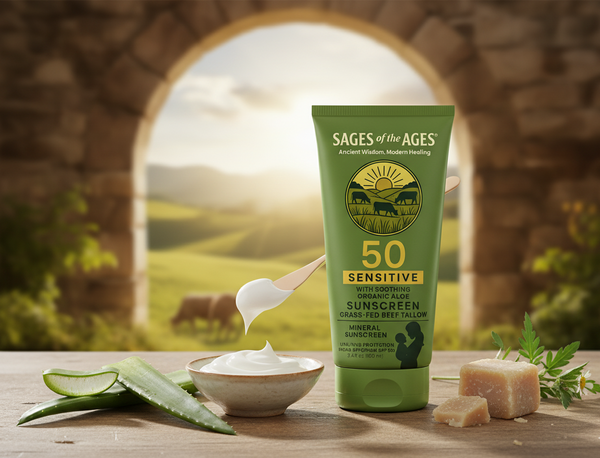
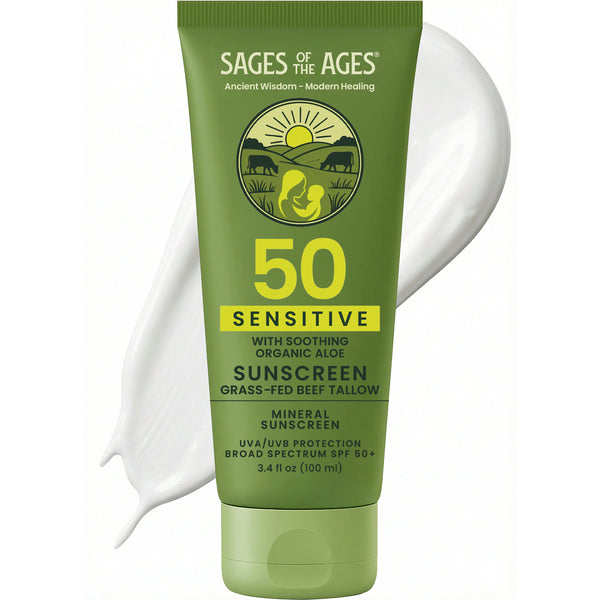
Our Mineral Sunscreen SPF 50 uses non-nano zinc oxide as its active ingredient, with grass-fed tallow for a moisturizing feel. It is broad spectrum, and you can read the full ingredient list and directions on the product page, or see every ingredient explained. If you are shopping for a child, we also make a baby mineral sunscreen.
Frequently asked questions
What does non-nano mean in sunscreen?
It means the zinc oxide particles are larger than 100 nanometers. Larger particles sit on the skin's surface and are not classed as nanoparticles.
Is non-nano zinc oxide safe?
Yes. Zinc oxide is an FDA-recognized sunscreen ingredient, and non-nano versions have fewer open questions than nano ones. As with any product, patch test if your skin is sensitive.
What is the difference between nano and non-nano zinc oxide?
Particle size. Nano particles are smaller and look clearer on skin. Non-nano particles are larger and can leave a light white cast. Both work as UV filters.
Is nano zinc oxide bad for you?
Current research does not show harm from nano zinc oxide in lotions used on intact skin. The main caution is about breathing in fine particles from sprays and powders.
Does non-nano zinc oxide work as well as nano?
Yes, both forms block UVA and UVB when the sunscreen is applied properly. The difference is how the product feels and looks, not whether it protects.
Sources
- U.S. Food and Drug Administration, proposed rule on sunscreen active ingredients (2019)
- European Commission Scientific Committee on Consumer Safety (SCCS), opinions on zinc oxide (nano)
This article is for general information and is not medical advice. If you have a skin condition or concerns about a product, talk to a dermatologist.