Natural vs Chemical Sunscreen: Which Is Safer for Your Skin?

How This Debate Actually Started
Until the early 2000s, sunscreen safety was largely assumed rather than studied. The ingredients in chemical sunscreens were grandfathered into FDA approval before modern bioavailability testing was standard. FDA proposed a new rule requiring additional safety evidence for 12 of the 16 active sunscreen ingredients on the market, not because they were proven harmful, but because they had not been proven safe under contemporary standards. This is an important distinction. Absence of harm evidence is not the same as evidence of safety.
Mineral filters, zinc oxide and titanium dioxide, passed this updated evaluation. Chemical filters largely did not, and are now classified as needing more data.
How Chemical Sunscreens Work
Chemical sunscreens contain UV-absorbing compounds: oxybenzone, octinoxate, avobenzone, and homosalate are the most common. When applied to skin, these molecules absorb UV photons and dissipate them as heat. They are typically invisible, lightweight, and cosmetically preferred for daily wear.
All four chemical filters tested were detected in the bloodstream after a single day of use at recommended amounts, at concentrations exceeding the FDA's threshold for waiving further toxicology review. Oxybenzone specifically has been flagged in multiple studies as a potential endocrine disruptor, with detectable levels found in breast milk.
How Mineral (Natural) Sunscreens Work
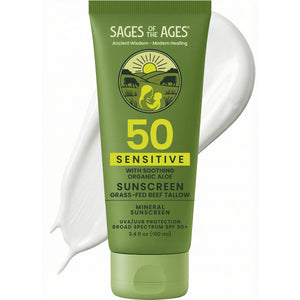
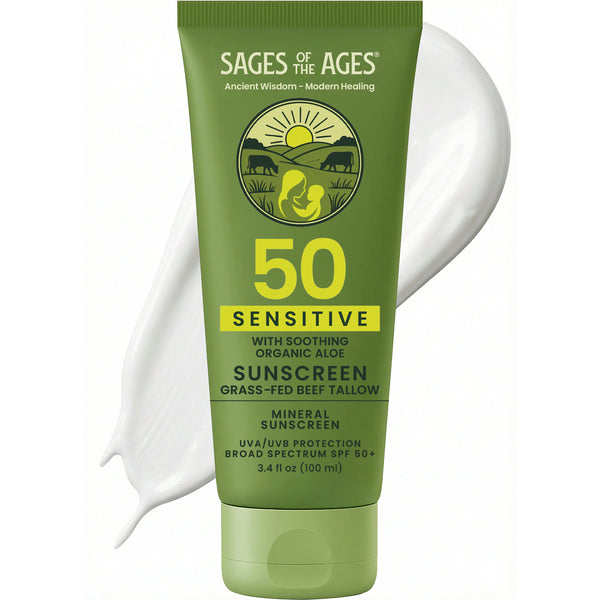
Mineral sunscreen uses zinc oxide and/or titanium dioxide as physical UV barriers. These minerals sit on the skin's surface and reflect UV radiation rather than absorbing it analogous to how a white garment reflects sunlight. Both are FDA-GRASE, meaning they meet the current safety and efficacy standard without the caveats applied to chemical filters.
Zinc oxide specifically provides true broad-spectrum protection: against both UVA (aging rays) and UVB (burning rays). Zinc oxide's UVA protection exceeds that of many chemical UV filters.
Is Mineral Sunscreen Safer? An Honest Assessment
For most people, yes, on current evidence. Here is why mineral filters are preferred from a safety standpoint:
-
Zinc oxide and titanium dioxide do not penetrate intact skin significantly, a TGA (Therapeutic Goods Administration, Australia) safety review confirmed nanoparticle zinc oxide does not reach viable skin cells
-
No documented hormone-disrupting effects at levels used in sunscreen
-
Reef-conscious: oxybenzone has been linked to coral harm in laboratory studies and is restricted in places like Hawaii and Key West; zinc oxide is not restricted under those laws
-
Recommended by the American Academy of Pediatrics for infants over 6 months
-
Lower rates of allergic contact dermatitis compared to chemical filters
Now the honest trade-offs:
-
White cast is real, especially on medium to deep skin tones; cosmetic reformulation has improved but not eliminated this
-
Heavier texture than chemical formulas, more likely to pill under makeup
-
Less water-resistant, requires more frequent reapplication during swimming or sweating
What Makes the Best Non-Toxic Sunscreen?
Regardless of which type you choose, here is what to look for:
-
Broad-spectrum protection (UVA + UVB), SPF only measures UVB; broad-spectrum labeling is required for full coverage
-
SPF 30 minimum, SPF 30 blocks ~97% of UVB; SPF 50 blocks ~98%. The difference matters less than consistent application
-
Zinc oxide or titanium dioxide as the active ingredient (for mineral)
-
Free from oxybenzone, octinoxate, homosalate, and parabens
-
No synthetic fragrance, a common irritant and allergy trigger
-
Water-resistant rating if you'll be active outdoors
Who Should Prioritize Mineral Sunscreen?
-
Pregnant or breastfeeding women, given oxybenzone's detection in breast milk
-
Infants and young children have higher skin permeability and longer exposure windows
-
People with sensitive or easily irritated skin, since zinc oxide is generally well-tolerated
-
Those with endocrine concerns or hormone-sensitive conditions
-
Anyone wanting a sunscreen whose actives aren't restricted under reef-protection laws, like those in Hawaii and Key West
Who Might Reasonably Choose Chemical Sunscreen?
- Those who find zinc-based formulas cosmetically impractical for daily use, consistency matters more than perfection
- Deeper skin tones for whom the white cast is a significant barrier to regular use
- Athletes or frequent swimmers needing maximal water resistance
If a chemical formula means you actually protect your skin every day, versus a mineral formula that stays in the cabinet, the consistent choice wins. This is not a cop-out; it is evidence-based pragmatism.
Fair Objections to Mineral Sunscreen
In the interest of full transparency:
-
Nanoparticle concerns: Many mineral sunscreens use nano-sized zinc oxide for reduced white cast. While current evidence shows these particles do not penetrate viable skin, long-term inhalation risk from spray formulas remains an open question. Prefer lotions over sprays for nasal safety.
-
SPF efficacy depends on application amount: Most people apply 25–50% of the recommended amount. A correctly applied SPF 30 outperforms a thinly applied SPF 50. Quantity matters.
The verdict is nuanced, not absolute. Mineral sunscreen is the more evidence-supported choice on current safety data, especially for vulnerable groups. But the best sunscreen is the one you actually use, applied in the right amount, every day. Read your labels, know your trade-offs, and choose products that align with your values and your life.
Explore clean skincare at Sages Nutrition.