Natural Baby Skincare Guide: Safe Ingredients for Newborns

Why Newborn Skin Requires a Different Standard
At birth, the skin's acid mantle, the protective film that regulates pH and defends against microbial invasion, is still stabilizing. Newborn skin pH at birth is briefly alkaline (~6.3–7.5) before acidifying to its functional range (~4.5–5.5) over the first weeks of life. Many common baby products are formulated without attention to this transition.
Beyond pH, newborn skin has a higher surface-area-to-bodyweight ratio than adults, meaning topically applied substances represent a proportionally greater systemic exposure. A newborn's skin behaves as a 'work in progress' with barrier function improving substantially in the first year but remaining incomplete and vulnerable in the early weeks.
Whatever goes on their skin can more readily enter their bloodstream. This is not alarmism; it is the basis for pediatric dermatology's general guidance: less is more, and simpler is safer.
Before Baby Skincare Was an Industry
For most of human history, newborn skin was managed with what was locally available: plant-based oils, tallow, beeswax, and herbal preparations. Traditional midwifery texts across cultures, from Medieval Europe to Ayurvedic tradition, document the use of oils and plant extracts for infant skin protection. This wasn't commerce; it was survival knowledge. Modern dermatology has since validated several of these traditional ingredients, particularly calendula and oat-based preparations, through controlled clinical trials.
Safe Ingredients for Newborn Skin
Shea Butter
Rich in oleic, stearic, and linolenic fatty acids, along with Vitamin A and E, shea butter is a deeply nourishing emollient. A recent study in the African Journal of Traditional, Complementary and Alternative Medicines reported shea's soothing properties. It is generally well-tolerated by sensitive infant skin and does not significantly disrupt pH balance.
Jojoba Oil
As discussed in our Jojoba Oil guide, jojoba is a liquid wax ester that closely mimics the skin's natural sebum. For infants, it is an excellent moisturizer, absorbs efficiently, leaves no heavy residue, and is protein-free, reducing allergenic risk compared to nut oils. Its gentle fatty acid profile makes it a good fit for sensitive or easily irritated skin.
Aloe Vera
Aloe barbadensis leaf extract is one of the most studied plant-based skincare ingredients, valued for its soothing, cooling feel and moisture retention. It is a popular choice for comforting warm, dry or mildly irritated skin in older infants. Look for formulas where pure aloe is listed high on the ingredient list.
Oat Extract (Colloidal Oatmeal)
Colloidal oatmeal is one of the few plant-derived ingredients recognized by the FDA as an over-the-counter skin protectant. It contains beta-glucans, which help support the skin barrier, and avenanthramides, which give it a soothing feel. If your baby has eczema or another skin condition, follow your pediatrician's or dermatologist's advice on which products to use.
Calendula
Calendula officinalis extract has been used in pediatric skin care across cultures for centuries. A randomized controlled trial published in the Journal of Specialists in Pediatric Nursing compared calendula cream to petroleum jelly for diaper dermatitis and reported favorable results for calendula. It is gentle and has a long history of traditional use in baby skincare.
Zinc Oxide (in diaper creams)
Zinc oxide creates a physical moisture barrier that protects against the enzymatic and bacterial activity in urine and stool, the primary drivers of diaper rash. It is also the same mineral used as a UV filter in mineral sunscreens. It is among the most studied and safest topical ingredients available for infant use.
Ingredients to Avoid, And Why
-
Synthetic fragrance / parfum: A single 'fragrance' listing can legally represent hundreds of undisclosed chemical compounds. Fragrance is the leading cause of contact allergy in children (Thyssen, J.P. et al., British Journal of Dermatology, 2007).
-
Parabens (methylparaben, propylparaben): Detected in human tissue and flagged as potential endocrine disruptors in in vitro studies. The EU has restricted several parabens in baby products. Causation in humans is not established, but the precautionary case is reasonable for infants.
-
SLS / SLES: Harsh surfactants that strip the acid mantle and compromise the skin barrier. Particularly disruptive to the developing newborn skin barrier during the pH stabilization period.
-
Mineral oil (petroleum-derived): May form an occlusive film that interferes with skin's natural lipid exchange and the ongoing development of barrier function in neonates.
-
Talc: Risk of inhalation causing pulmonary issues in infants; potential contamination with asbestos. The FDA has issued multiple safety communications. Avoid powder form.
-
Formaldehyde-releasing preservatives (DMDM hydantoin, quaternium-15): Common in baby washes and shampoos; classified as potential carcinogens and skin sensitizers. Check ingredient lists carefully.
Building a Natural Baby Skincare Routine
Step 1: Gentle Cleanse
For the first weeks, plain warm water is sufficient and pediatrician-recommended. When introducing a cleanser, choose fragrance-free, sulfate-free, soap-free baby wash. Limit baths to 2–3 times per week, over-bathing strips natural oils and disrupts the developing acid mantle.
Step 2: Moisturize
Apply a natural baby lotion or balm within 3 minutes of bathing while skin is still slightly damp, this is the 'soak and seal' method supported by the National Eczema Association. Dampness in the skin traps moisture far more effectively than applying to dry skin. Focus on cheeks, elbows, and knees.
Step 3: Diaper Area Protection
Use a zinc oxide-based diaper cream as a barrier after each change. Applying a barrier consistently, before redness appears, is the approach most pediatricians recommend. If a rash doesn't improve within a few days, check with your pediatrician.
Step 4: Sun Protection (6+ Months)
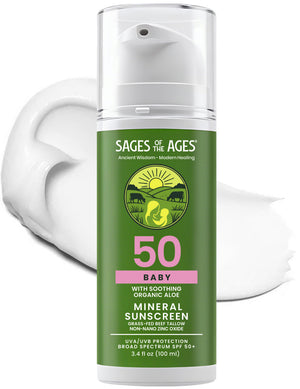
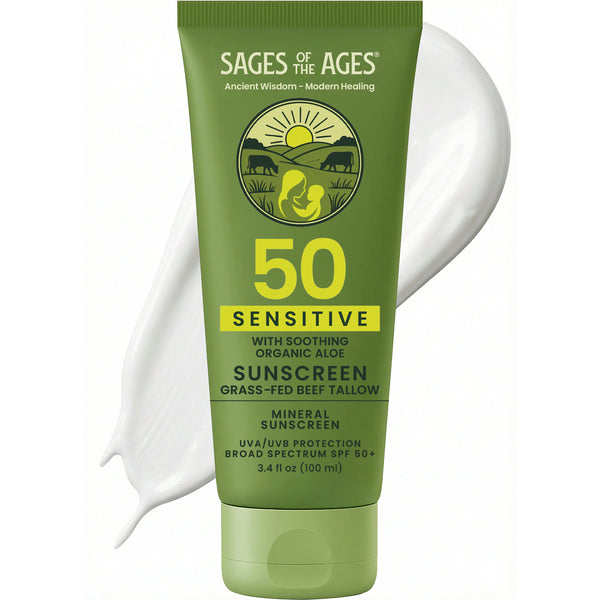
The American Academy of Pediatrics recommends keeping infants under 6 months out of direct sunlight entirely and using physical shade, protective clothing, and wide-brimmed hats. After 6 months, apply a mineral sunscreen with zinc oxide to exposed areas. Always combined with clothing and shade, sunscreen is a final layer, not the primary strategy.
What to Look for in a Non-Toxic Baby Moisturizer
• Fragrance-free, or scented only with safe, natural essential oils in low concentrations
• Hypoallergenic and dermatologist-tested
• Free from parabens, sulfates, and formaldehyde-releasing preservatives
• Short, readable ingredient list, the fewer ingredients, the easier it is to identify potential irritants
• pH-balanced around 5.5, check whether brands publish this information
Fair Objections: Where Natural Baby Skincare Falls Short
In the interest of complete honesty:
-
'Natural' does not automatically mean safe. Lavender essential oil, for example, has been associated with contact sensitization in infants and should be used cautiously. Always patch-test.
-
Clinical evidence for some popular natural ingredients (like calendula) is promising but based on small studies. Larger trials are needed.
-
Certified organic does not guarantee hypoallergenic. Organic plant proteins can still trigger reactions.
Less is almost always more in baby skincare. A simple routine built around a small number of well-studied, clean ingredients is far safer and more effective than a complex regimen of synthetic additives. Trust your instincts, read the labels, all the way down the ingredient list, and choose products that you would be comfortable putting on your own skin.
Explore our full collection of clean, family-safe skincare products at Sages Nutrition.