Anti-Aging Skincare with Tallow: Morning Routine for Youthful Skin

The newest idea in anti-aging is, in fact, a very old one: feed the skin the fats and fat-soluble vitamins it once produced in abundance. There is a real rationale here and some honest limits worth stating plainly. Below is a simple morning routine, with a clear account of what each step can and cannot do.
How Skin Ages (and What Tallow Can Address)
Skin ages two ways: intrinsically (genetics and time) and extrinsically (UV, pollution, and lifestyle). Of those, ultraviolet exposure is the dominant modifiable driver of visible facial aging, which is precisely why a good morning routine ends with sunscreen rather than serum. Tallow speaks to a narrower problem, as skin matures, it makes less of its own oil, and a nourishing fat can help replace what is lost.
Why Tallow Is a Legitimate Anti-Aging Ingredient
As skin ages, it produces less sebum, and tallow’s fatty acids resemble components of youthful sebum, so as an emollient, it can restore softness and reduce the dryness that exaggerates fine lines. The vitamin-A-as-retinol story is scientifically real. Purified retinol boosts collagen and curbs collagen-degrading enzymes in aged skin. But, honestly, those effects are demonstrated for concentrated retinol, not for the modest vitamin A naturally present in a fat. So tallow is a legitimate nourishing moisturiser; it is not a substitute for a proven retinoid if collagen-building is your actual goal.
Your Tallow Anti-Aging Morning Routine
-
Step 1: Gentle cleanse. Use a cream or milk cleanser; avoid stripping foaming washes, since over-cleansing accelerates dryness in mature skin.
-
Step 2: Optional antioxidant. A single-ingredient antioxidant (such as vitamin C) on damp skin is fine; keep it simple, as more products mean more potential irritants.
-
Step 3: Tallow balm as your core moisturiser. Warm a small amount and press it into damp skin. This is where tallow does its real work, sealing in moisture and delivering fat-soluble vitamins.
-
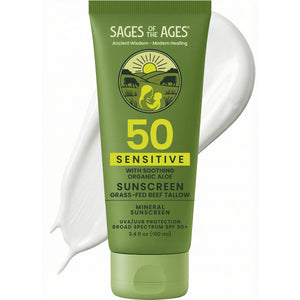
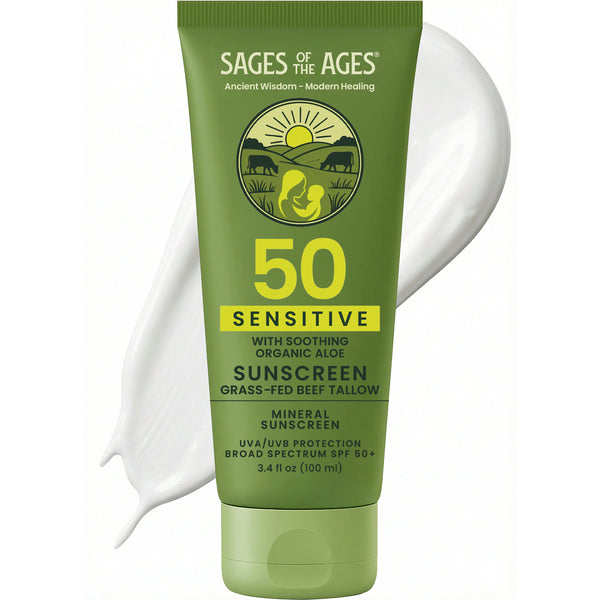
Step 4: Non-nano mineral SPF (non-negotiable). Sunscreen is the step that protects everything else, because UV is the leading external cause of visible aging.
Fair Objections to Tallow for Anti-Aging
-
Tallow won’t “replace retinol.” If you want retinoid-level collagen effects, use a retinoid and accept the trade-off of possible irritation.
-
Texture and finish. Tallow is heavier than a gel moisturiser and may not sit well under some makeup; oily or acne-prone skin might prefer a lighter occlusive, partly because free fatty acids can unsettle the barrier.
-
“Vitamins your skin recognises” is shorthand. Dose and chemical form matter; presence of a nutrient is not the same as a clinical effect.
What to Watch For
In the first couple of weeks, expect hydration and a “cushioned” feel that is barrier occlusion. Over a month or two, the texture often looks smoother as everyday dryness resolves. Any change in firmness operates on the slow collagen cycle (months), and only if real structural active retinoids and, above all, sun avoidance are doing that work. Tallow’s honest contribution is comfort, barrier support, and nutrient delivery, not a collagen miracle.
The Bottom Line
If a simple, ancestral-style routine appeals, ours is built around these four steps at sagesnutrition. But the single highest-leverage anti-aging move isn’t any product, it's daily sun protection.