Natural Sun Protection: How to Shield Skin Without Chemicals

Before Sunscreen Existed: A Brief History
Long before SPF formulas existed, people across climates developed practical sun protection strategies: the use of zinc-rich clays by ancient Egyptians, olive oil and loose-woven fabrics in the Mediterranean, and wide-brimmed hats across agricultural civilizations. These weren't aesthetic choices, they were empirical adaptations to UV exposure honed over generations. Modern sun science has validated many of these practices. We have also added meaningful new tools. The goal of natural sun protection is to combine ancestral wisdom with current evidence.
Why People Are Moving Away from Chemical Sunscreens
Common chemical sunscreen ingredients, oxybenzone, avobenzone, octinoxate, and homosalate, work by absorbing UV radiation and converting it to heat. They tend to be cosmetically elegant: invisible, lightweight, and easy to wear daily.
However, the FDA's proposed rule on sunscreen safety flagged several of these ingredients as requiring further safety data, found measurable levels of oxybenzone, avobenzone, and other chemical filters in the bloodstream after a single day of use at recommended amounts, with concentrations exceeding the FDA's threshold for waiving additional toxicology studies. The long-term clinical significance is still being researched, but the finding has prompted legitimate questions, particularly for children and pregnant women.
What Is Mineral Sunscreen?
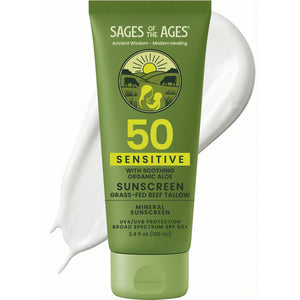
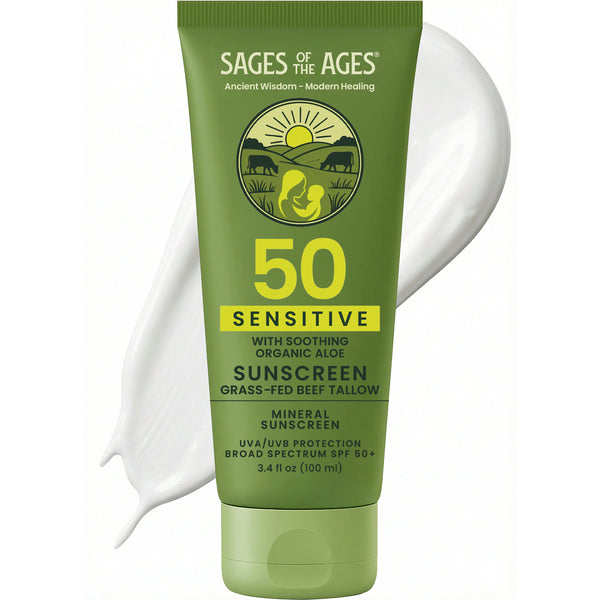
Mineral (or physical) sunscreen uses zinc oxide and/or titanium dioxide as active ingredients. Unlike chemical filters, these minerals sit on the skin's surface and reflect UV radiation, rather than absorbing it. Both are on the FDA's GRASE (Generally Recognized as Safe and Effective) list, meaning they have passed the existing safety threshold without the caveats applied to chemical filters.
Zinc oxide specifically offers broad-spectrum UVA and UVB protection, isn't restricted under reef-protection laws like Hawaii's, and is generally gentle on sensitive skin. At Sages Nutrition, we believe in ingredients that perform and have earned their safety record.
How to Protect Skin from Sun Naturally
1. Use a Mineral Sunscreen Daily
Choose a broad-spectrum mineral sunscreen with SPF 30 or higher. Apply it as the final step of your morning skincare routine. Reapply every two hours during extended outdoor exposure, or after swimming and sweating.
2. Eat Antioxidant-Rich Foods
Your diet has a measurable role in sun protection. Study found that dietary lycopene from tomato paste significantly reduced skin redness (erythema) following UV exposure, demonstrating an inside-out protective mechanism. Other well-studied photoprotective nutrients include:
-
Beta-carotene (carrots, sweet potatoes), quenches singlet oxygen generated by UV radiation
-
Polyphenols (green tea, berries), reduce UV-induced inflammation and DNA oxidation
-
Omega-3 fatty acids (salmon, flaxseed), associated with reduced UV-induced immunosuppression
3. Wear Protective Clothing
Tightly woven, dark-colored fabrics offer significant UV protection. UPF-rated clothing is engineered to block UV rays and should be considered a primary tool, not a secondary one, for prolonged outdoor exposure.
4. Seek Shade Strategically
The UV index is highest between 10 AM and 4 PM. Scheduling outdoor activity in early morning or late afternoon, and seeking natural shade during peak hours, can dramatically reduce cumulative UV exposure without any product at all.
5. Apply Antioxidant Serums
Topical antioxidants, especially Vitamin C (L-ascorbic acid), Vitamin E, and ferulic acid, have been shown to reduce UV-induced free radical damage in the epidermis when applied before sun exposure. A study found that a topical Vitamin C + E combination reduced UV-induced erythema and oxidative stress markers. These are not sunscreens; they are a complementary layer of defense.
6. Avoid Reflective Surfaces
Sand, water, and snow can amplify UV intensity by 25–80%, depending on surface and angle. Take extra precaution near beaches, ski slopes, and open water, including on overcast days, when UV radiation remains significant despite reduced visible light.
What Natural Sun Protection Cannot Do Honestly?
Raspberry seed oil and carrot seed oil have been widely cited online as having high SPF values (sometimes claimed as SPF 28–50). These figures originate from a single small study that used laboratory spectrophotometric methods, not standardized FDA sunscreen testing. A Journal of Cosmetic Dermatology found that plant oils tested with validated SPF protocols provided only SPF 2–8 at best. Do not use plant oils as your primary sun protection. They are beneficial as moisturizers and antioxidant sources, not as UV shields.
Fair Objections: Where Natural Approaches Fall Short
We believe you should know the limitations:
-
Mineral sunscreens can leave a white cast on medium to deep skin tones, this is a real cosmetic barrier to consistent use, and the industry has not fully solved it.
-
Antioxidant diet benefits operate on a much slower timeline than topical SPF. They are preventative, not immediate.
-
Shade and clothing reduce UV exposure, but do not eliminate it. They are additive, not complete solutions.
Protecting your skin from the sun does not require harsh chemistry. A mineral sunscreen, sun-smart habits, and antioxidant nutrition can work together to build real, lasting protection. If you want to explore the formulations we've built around these principles, start here, but read the JAMA study linked above first. It's the most important piece of sun safety reading you'll do this year.
Explore clean skincare essentials at Sages Nutrition designed to work with your lifestyle.